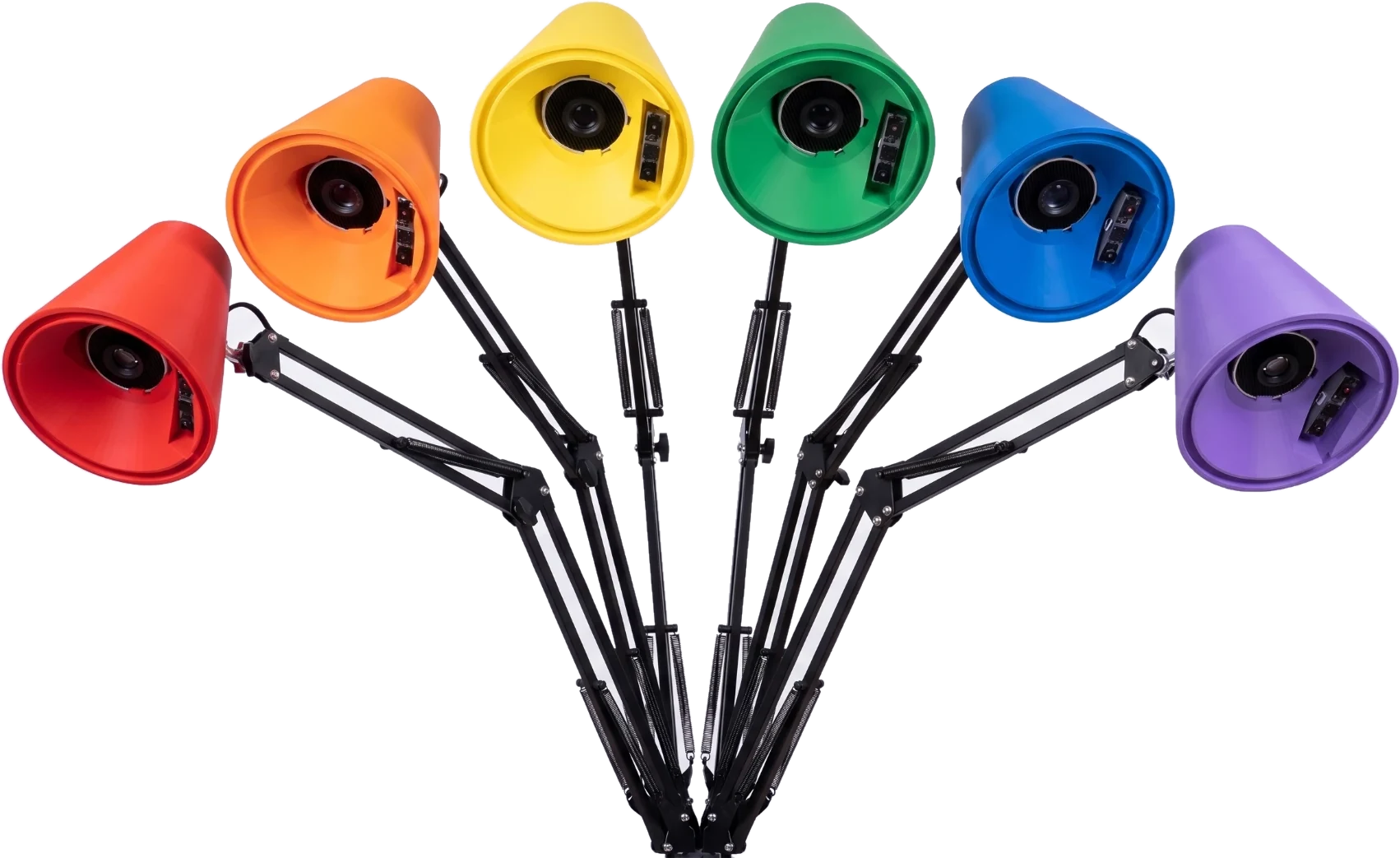
The new generation of spatial computing
No headset · no glasses · no phone · no screen

AR Ambient OS for physical space.

Projected reality: augmentation made of light, rendered onto the surfaces and objects around you. PrismOS reads the room and casts the interface onto any of it, a wall, a table, a page.

Projects AR onto any surface or object.

Understands the whole room.

Shared by everyone present.

Projected reality

Augmented reality, cast onto the world around you.

No lenses, nothing to wear. PrismOS understands the space and renders light directly onto its surfaces and objects, so the augmentation is physical, shared, and part of the room itself. Everyone present sees the same thing at once, with no per-user cost.

MAPS THE ROOM IN 3D
We are already on the way
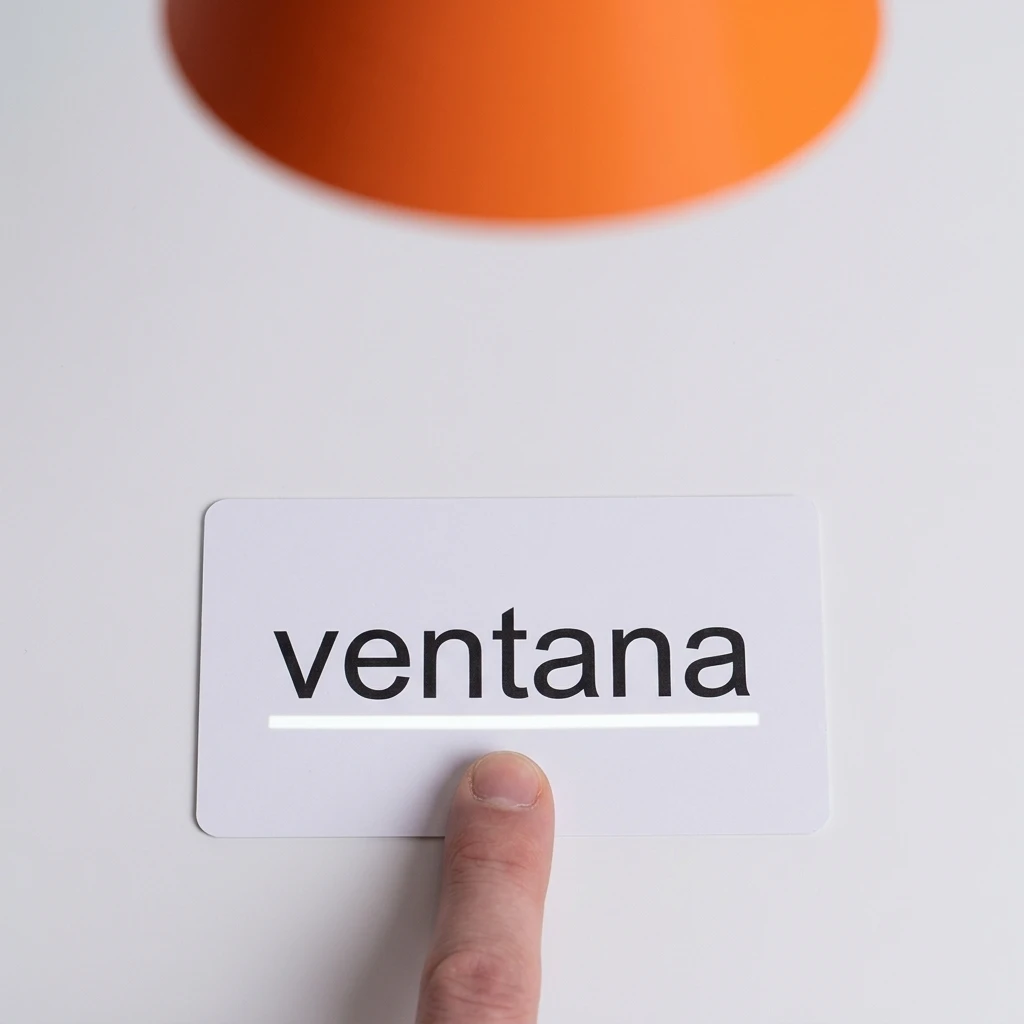
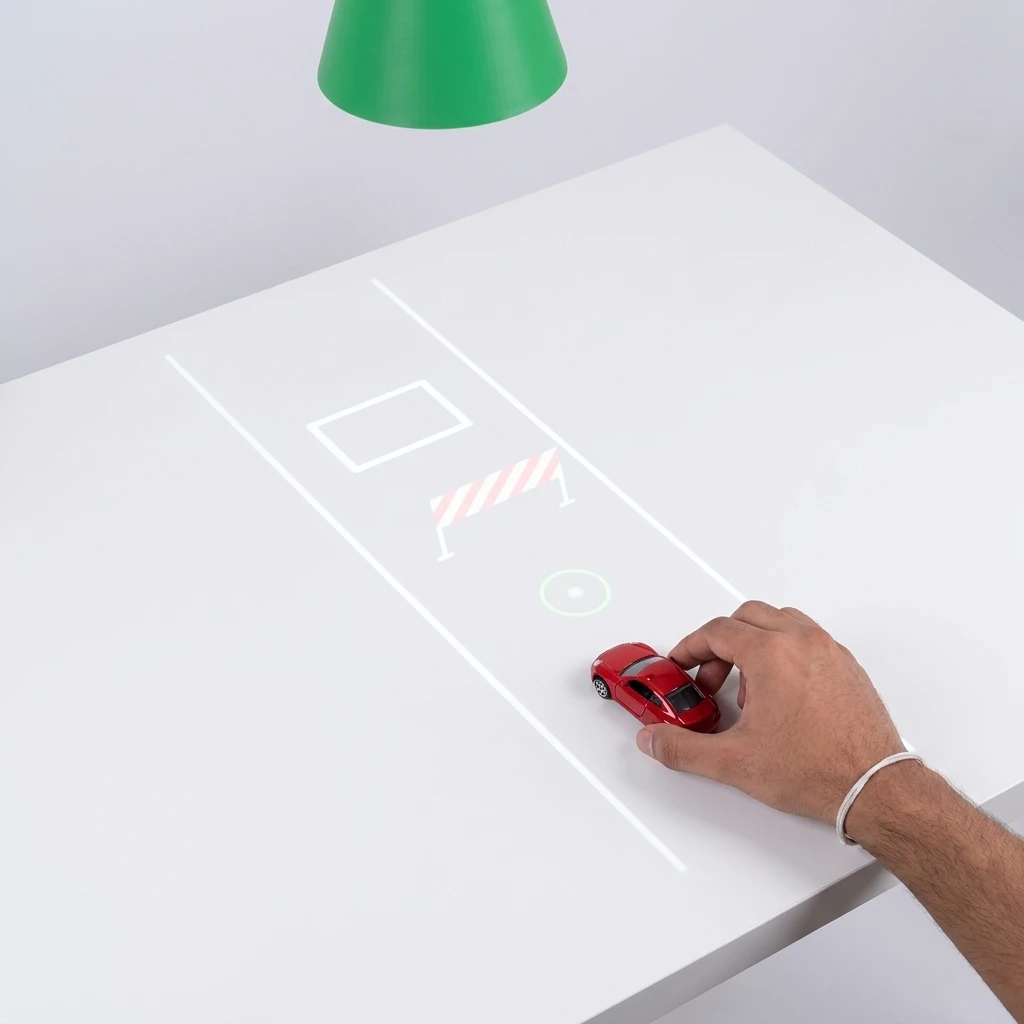
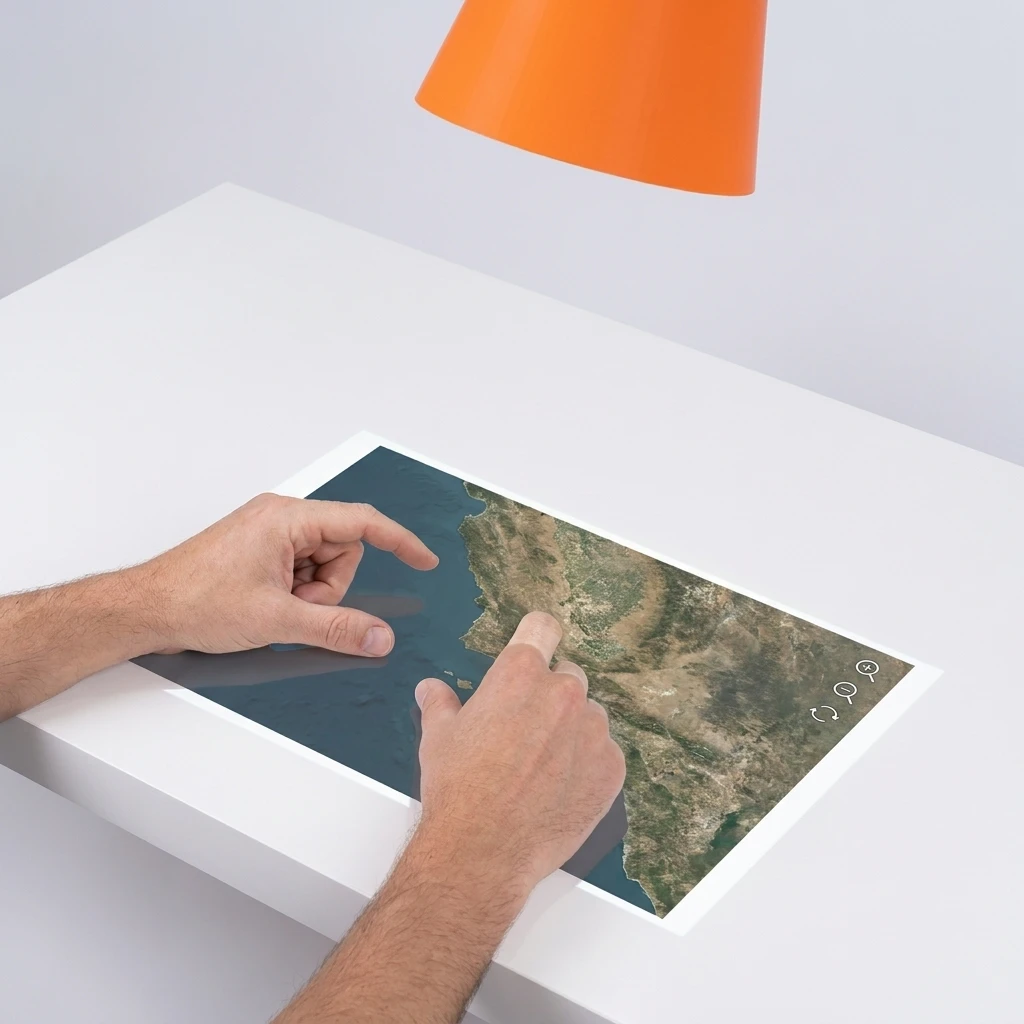
Shot on the working prototype. Projected guidance locks to real surfaces and objects, not the screen.
Built and working

This runs on our prototype. Everything below is real.

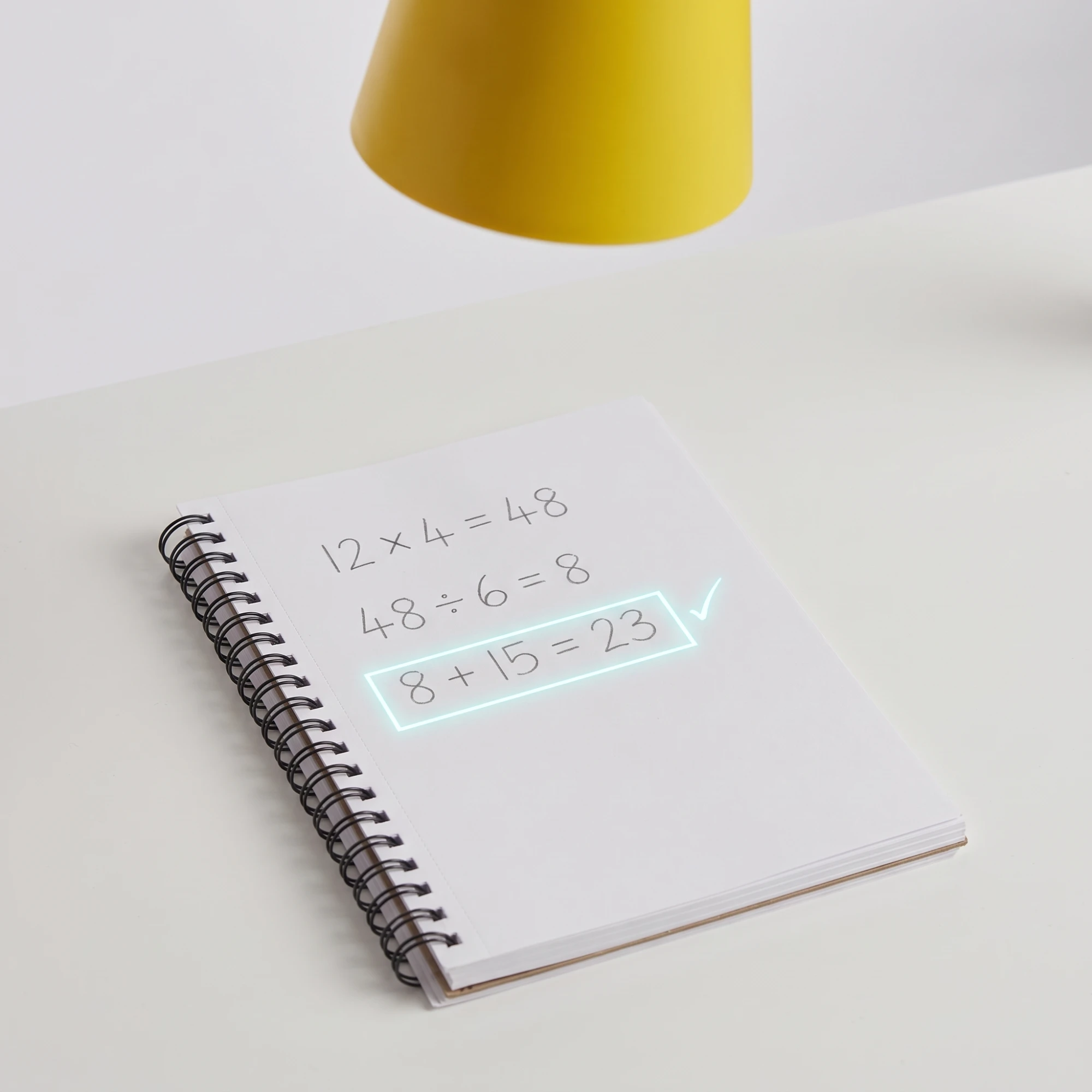
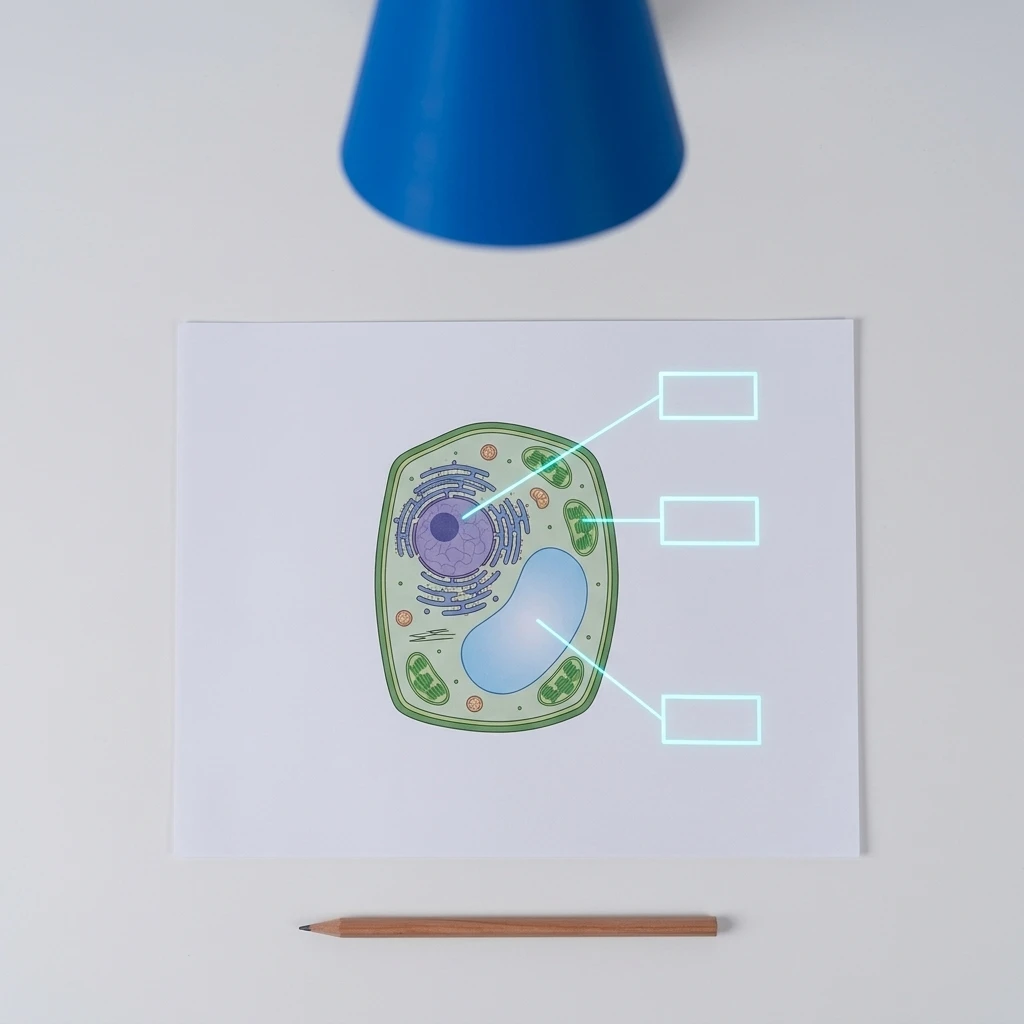
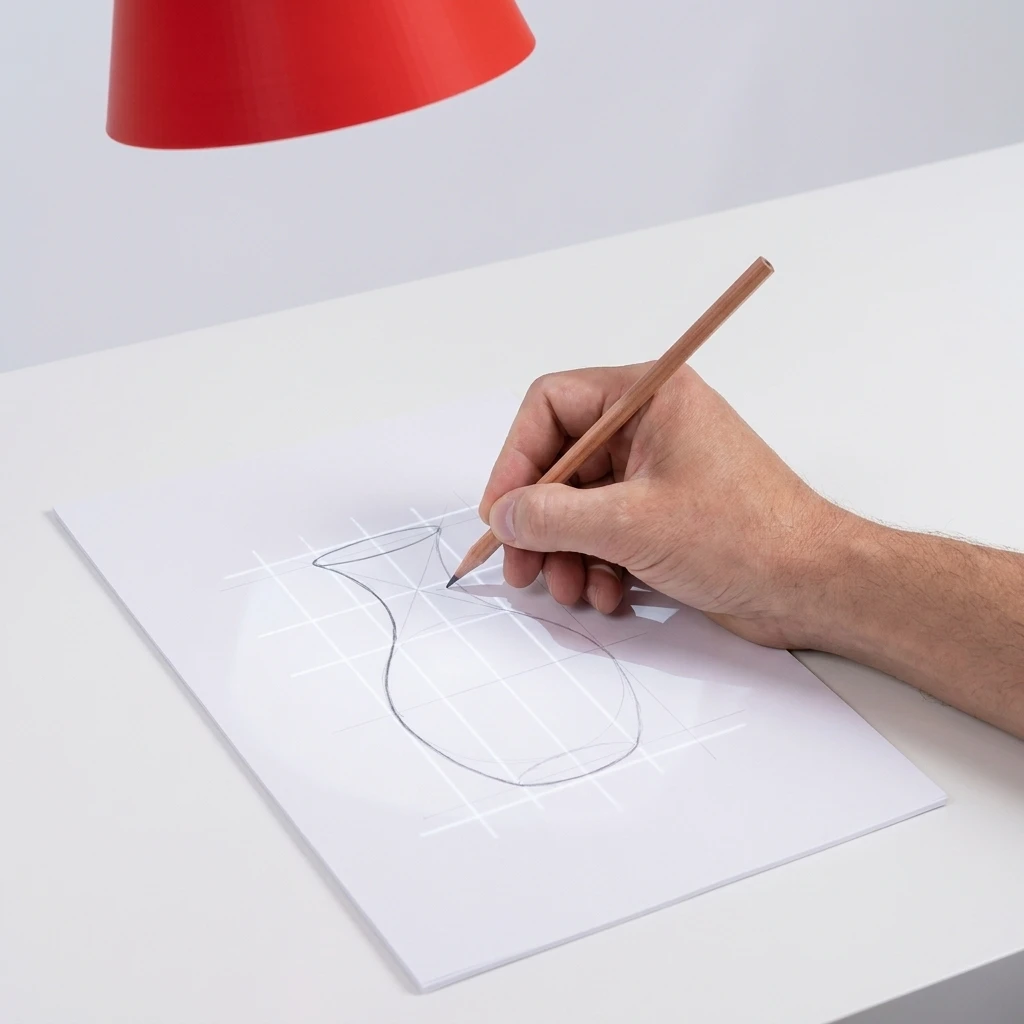
Tutoring

The page becomes a tutor

Math instruction projected onto paper. The lesson follows the page as it moves.

Measurement

Measured in light

The camera reads an object's dimensions and projects them right onto it.

The system

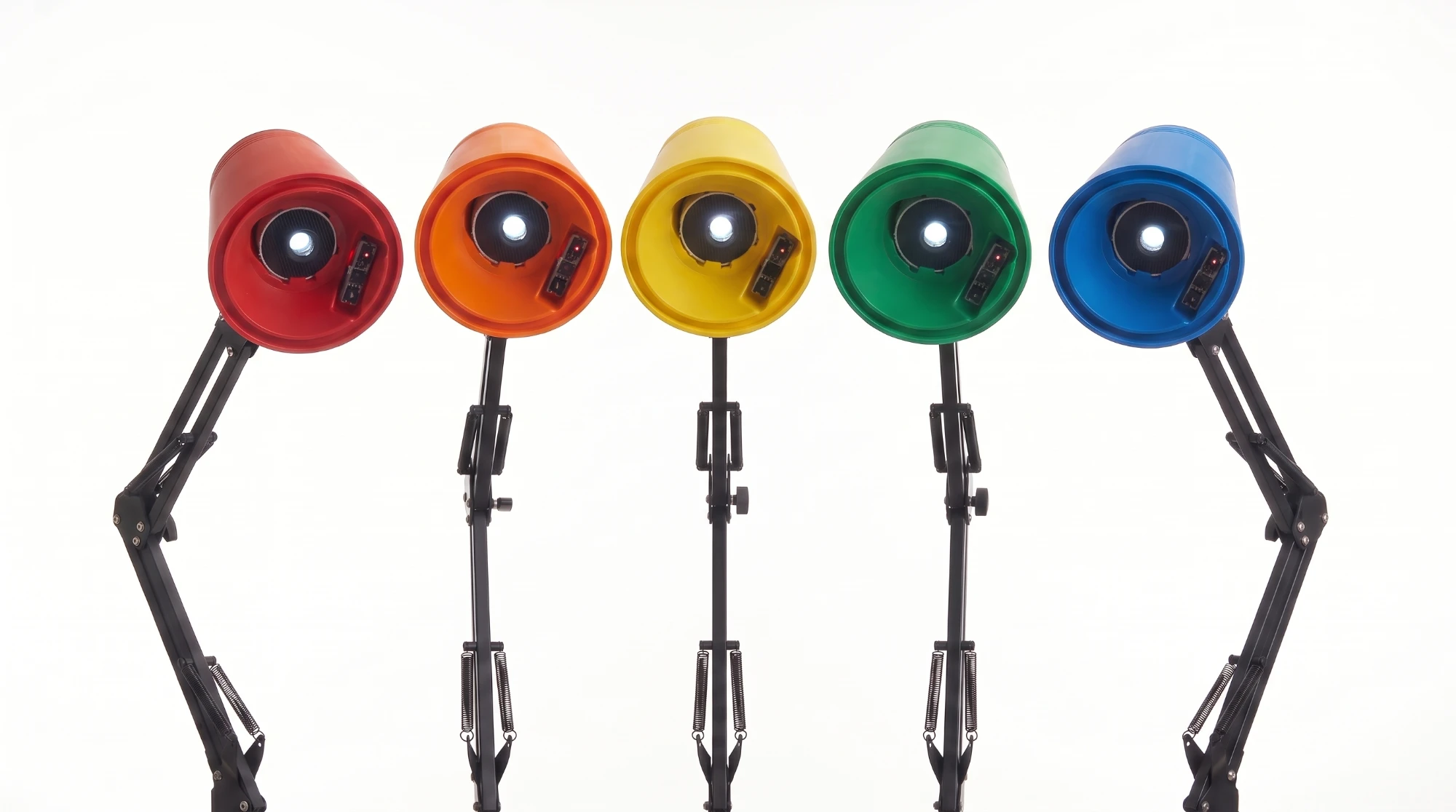
One camera, the whole room

A single overhead sensor covers the whole space. No markers, no calibration, no extra hardware.

Body tracking

Tracks the person

Pose, motion and presence, from one overhead camera, drawn back in projected light.

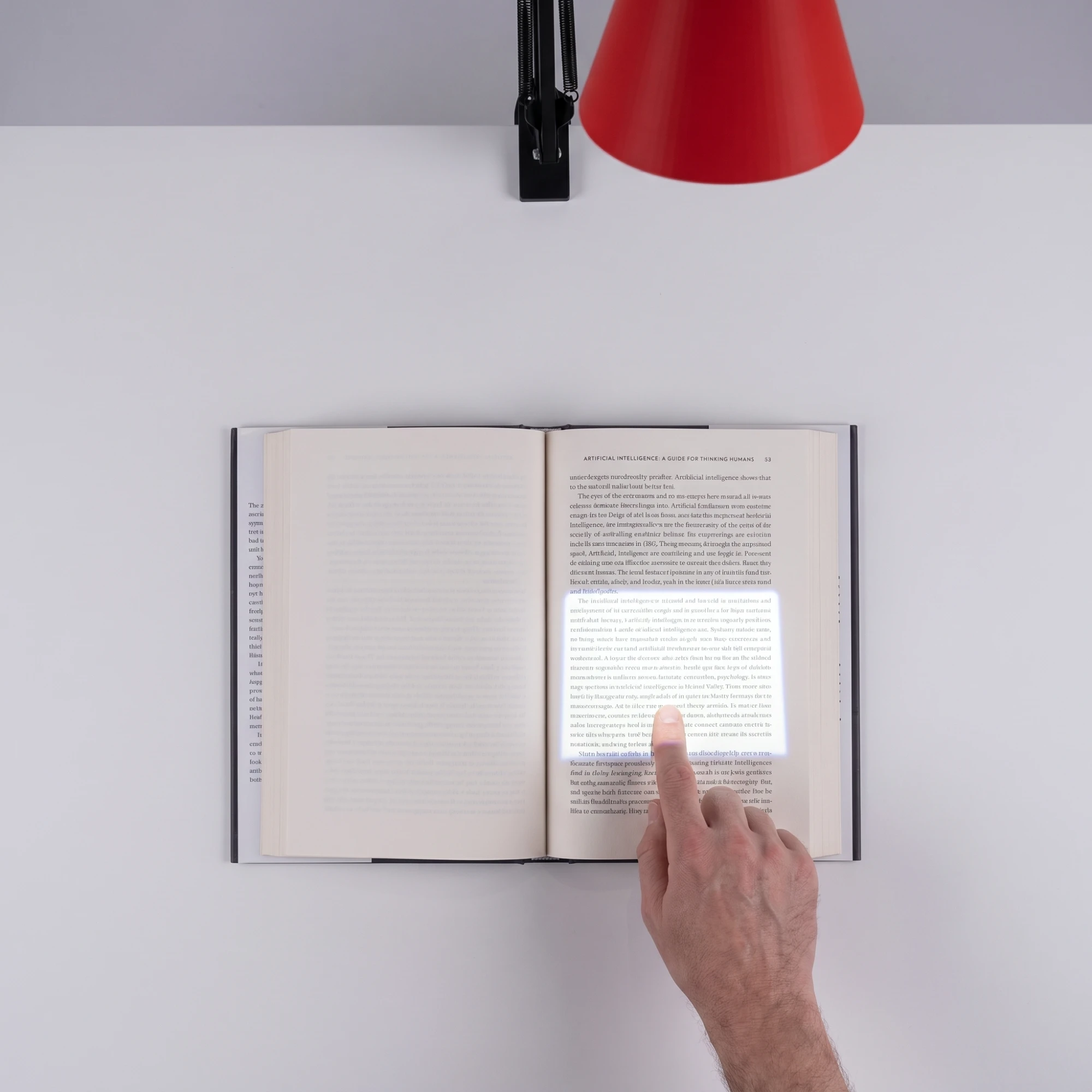
Recognition

Place a book, know the book

The camera identifies an object the moment it appears and projects its context right beside it.

Scene

Reads the room in 3D

Every wall, surface and object, mapped in real time. The space is understood before anything projects.

The room reacts

The room sees what's happening, and answers in light.

Set a book on the desk and its details appear beside it. Walk into the kitchen and your recipe is already on the counter. Ask where your keys are and the spot lights up. PrismOS tracks every object and surface, reasons about what you're doing, and responds, wherever you move.

Knows what's in the room Remembers where things are Follows you, room to room
In a real room

At home, it just becomes part of the room.

Living room

Art on any wall

A blank wall becomes a framed piece, lit only where the image is.

Ambient

Quiet by default

Sits in the room like a framed print, not a glowing screen.

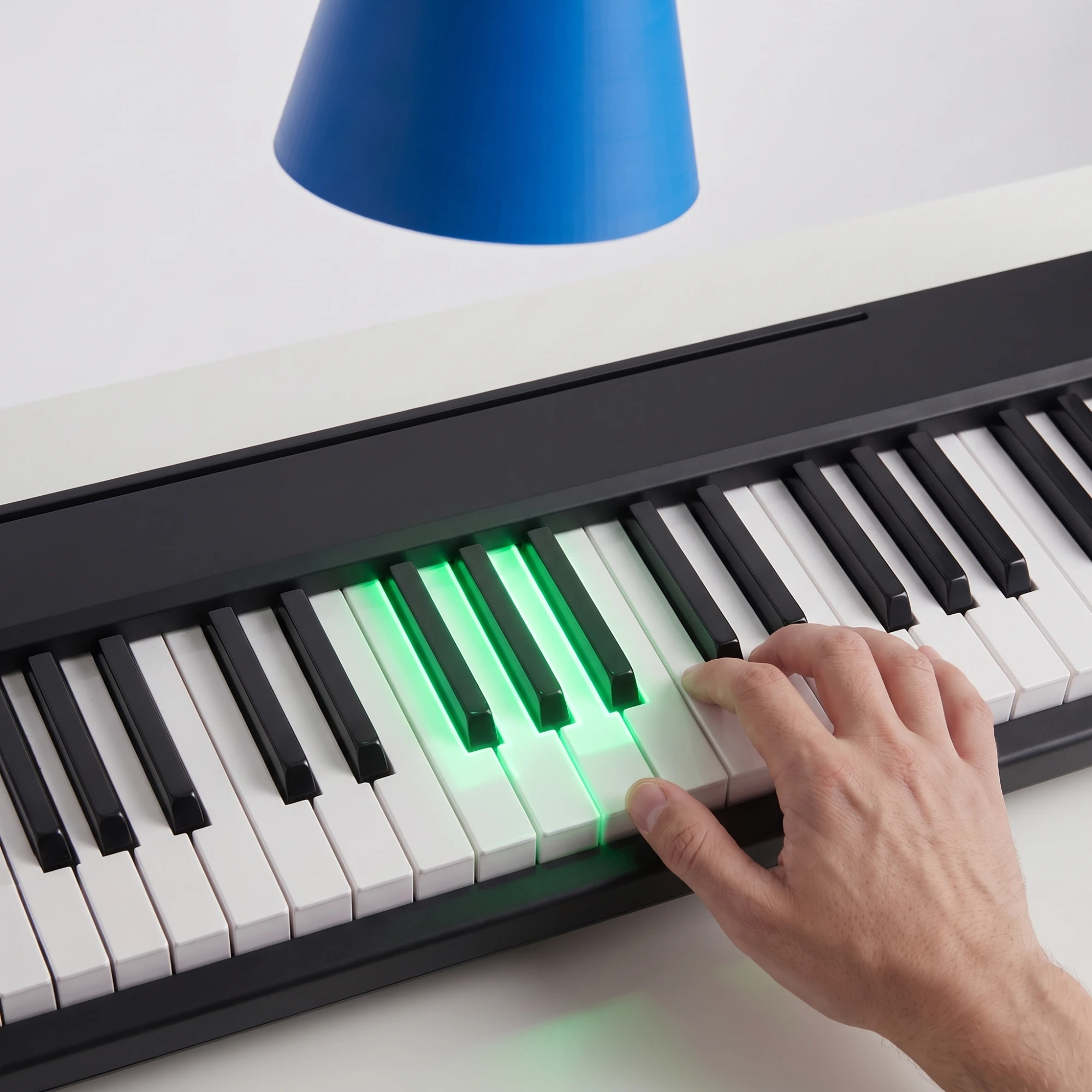
Reach in

Touch the light

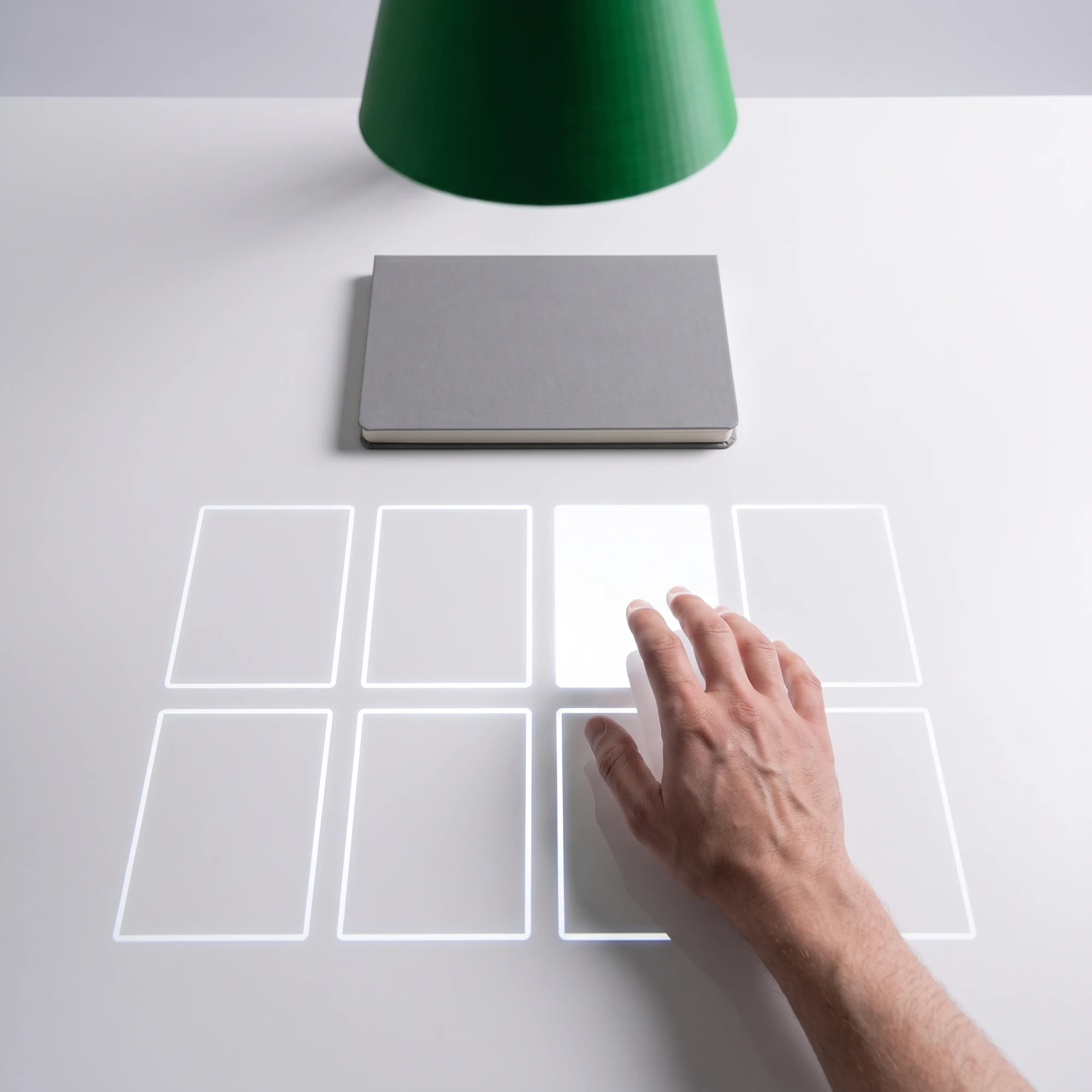
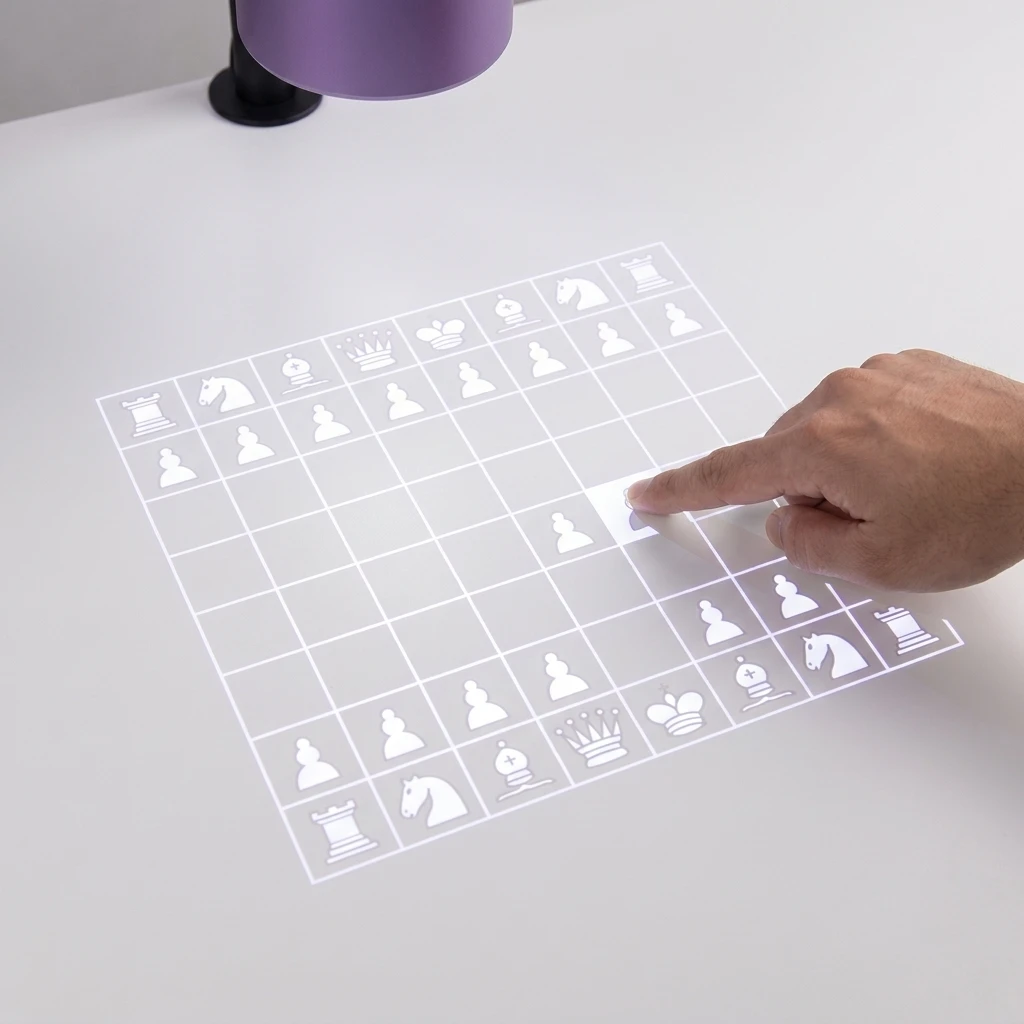
Controls appear on the surface and answer a real hand.

The same model, any room

VLMs map the space, then decide where ambient UI belongs.

Layout

Reads the geometry

Walls, floors and furniture, reconstructed live.

Segmentation

Labels every surface

Table, chair, wall, door, each one understood.

Any room

Generalises anywhere

The same model works across rooms it has never seen.

Only UI appears. Black stays invisible. The content feels like it's part of the environment.

Why now

Wearables are not the future. People don't like stuff on their face.

The headset is a dead end. The hardware keeps getting better and people keep taking it off. The display has to move off the body and into the room: always on, shared by everyone present, nothing to charge or strap on. And the AI that makes it possible only crossed the viability line in the last twelve months: real-time scene understanding · surface mapping · on-device inference.

ANY SURFACE · ANY CONTENT
The team & the ask

We left our jobs where we worked on the Apple Vision Pro and AR Glasses. We watched people take both off. So we built this.

Two engineers from inside the two dominant approaches to AR: the headset and the glasses. We built a real-time projected reality system that tracks any object and maps the surfaces and objects around it, and it won a national gold medal, recognized by the U.S. Senate. The hard part, projecting onto arbitrary surfaces and objects with real-time tracking, already works. Now we are adding the AI scene-understanding layer that only became available this year.

1device per room
0things to wear
surfaces & objects

Your home already has walls.
We gave it a mind.